By Lesel Buildworks|Architecture | Engineering | Construction
I remember walking through a new residential development in Ruiru last month, and I was struck by how different it felt. It was not just the aesthetic appeal. There was a deliberate focus on natural lighting, better ventilation, and materials that felt grounded in the environment. It is clear that green building has moved from being a niche luxury label to a necessary standard in the Kenyan construction landscape.
Why Build Green?
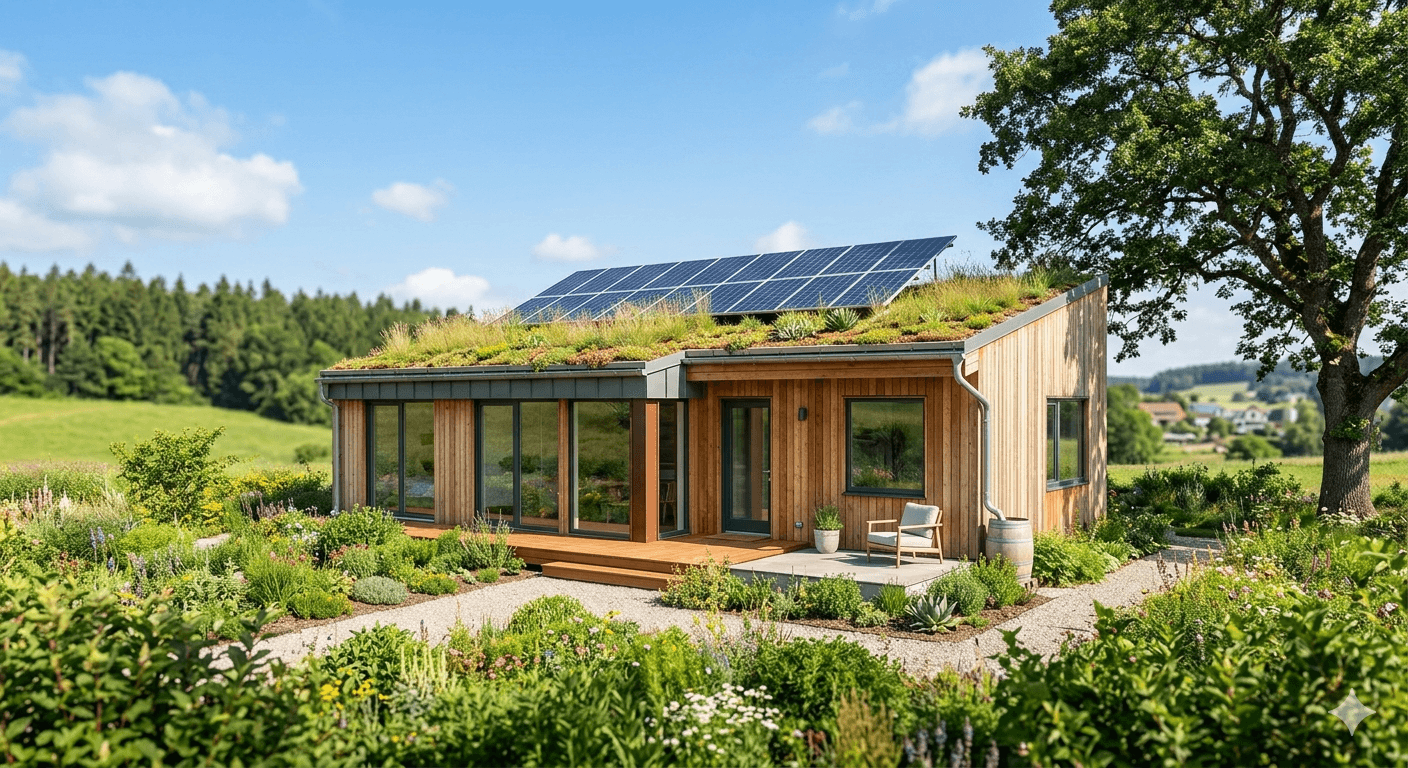
For a long time, the conversation around building in Kenya centred solely on quick completion and upfront savings. However, we are now seeing a shift toward long-term value. Sustainable architecture focuses on designing buildings that consume less energy, harvest water efficiently, and minimize waste. Think of it as investing in your home's future utility bills while doing your part for the planet. Using local materials, like stabilized earth blocks or locally sourced stone, also significantly reduces your carbon footprint while supporting local industries.
Simple Ways to Implement Sustainability
You do not need an unlimited budget to build sustainably. Start with passive design principles. Position your house to maximize natural light, which reduces the need for electricity during the day. Proper window placement (cross-ventilation) can keep your home cool in our tropical climate without needing energy-hungry air conditioning systems.
Another impactful move is installing a rainwater harvesting system. In many parts of Kenya, reliability of water supply is a major concern. Integrating a catchment system during the initial design phase is far cheaper than trying to retrofit one later. Additionally, look into solar water heating solutions, which are now a building code requirement in many areas, as they significantly lower monthly energy costs.
The Future of Construction
Building green is a mindset. It is about choosing durability over short-term fixes. While it may require a bit more planning and initial research to source the right contractors, the benefits are undeniable. As more Kenyans embrace sustainable practices, we are creating a more resilient and beautiful built environment for everyone. If you are planning your next project, take the time to talk to your architect about how you can integrate these eco-friendly habits into your blueprints.
Similar Journals
More Kenya Building Insights


Planning a Similar Project?